


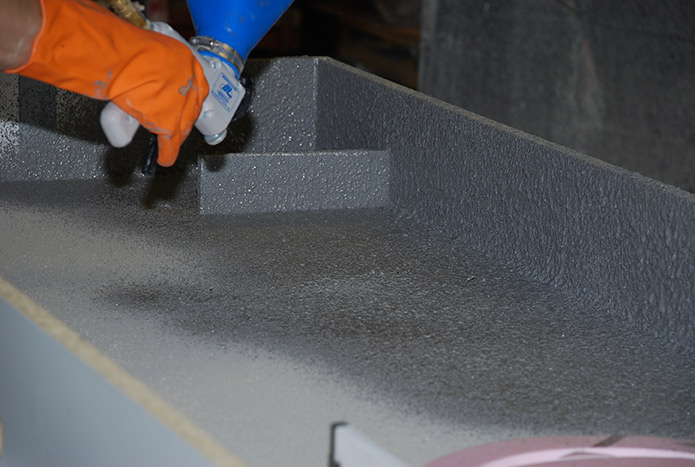
Glass Fiber Reinforced Concrete, commonly known as GFRC, is a versatile and high-performance construction material that has been gaining popularity in recent years. It is a composite material made by combining concrete with alkali-resistant glass fibers. These fibers enhance the tensile strength and flexibility of the concrete, making it an ideal choice for a wide range of architectural and structural applications.
GFRC offers numerous benefits, including its lightweight nature, durability, and design flexibility. It can be molded into intricate shapes and textures, making it popular for decorative facades, panels, countertops, and sculptures. The material’s enhanced strength also allows it to be used in thinner sections, reducing the overall weight of structures without compromising on durability.
How GFRC Works
The glass fibers in GFRC act as reinforcement, similar to how steel rebar works in traditional reinforced concrete. These fibers are spread throughout the concrete matrix, distributing stress and improving the material’s resistance to cracking and breaking. This makes GFRC ideal for use in elements that are exposed to high stress or need to be lightweight yet strong.
Benefits of GFRC
- Lightweight: GFRC is significantly lighter than traditional concrete, making it easier to handle and install, especially in large-scale architectural projects.
- Durability: The addition of glass fibers enhances the material’s resistance to impact, weathering, and cracking, extending the life of structures.
- Design Flexibility: GFRC can be cast into complex shapes and detailed designs, allowing for intricate architectural elements and creative designs.
- Reduced Environmental Impact: GFRC can incorporate recycled materials and uses less cement than conventional concrete, contributing to more sustainable construction practices.
Applications of GFRC
GFRC is widely used in various construction applications, including:
- Architectural Facades: For creating lightweight yet durable exterior panels with intricate detailing.
- Sculptures and Art Installations: Its moldability allows for creative, custom designs.
- Interior Elements: Such as countertops, sinks, and decorative pieces, where a combination of strength and beauty is needed.
GFRC has proven to be a valuable innovation in the construction world, offering a blend of aesthetics and functionality that few materials can match. As a modern solution for both structural and decorative needs, GFRC continues to expand its presence in architecture and design.