


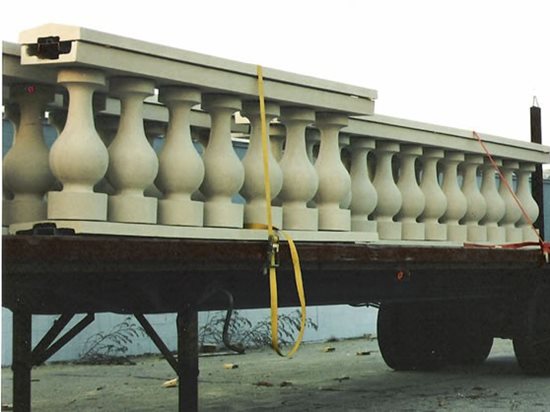
Glass Fiber Reinforced Concrete (GFRC) is a composite material that has gained popularity in the construction industry due to its remarkable combination of lightweight properties and high strength. It offers numerous benefits over traditional concrete, making it an ideal choice for a wide range of applications, from architectural elements to complex building facades. Here’s an in-depth look at the primary benefits of GFRC, focusing on its lightweight nature and high strength.
1. Lightweight Nature
One of the standout features of GFRC is its lightweight composition, which significantly reduces the weight of concrete components without compromising strength. This attribute offers several key advantages:
- Ease of Handling and Installation: GFRC panels and elements are much lighter than their precast concrete counterparts, making them easier to transport and install. This reduces labor costs and speeds up the construction process, especially for projects that require precise and intricate installations.
- Reduced Structural Load: The lightweight nature of GFRC places less load on the building’s structural framework. This is particularly beneficial in high-rise construction, where the weight of facade materials can impact the overall design and material costs of the building. By using GFRC, designers can minimize structural reinforcement, reducing both material and installation costs.
- Lower Transportation Costs: Because GFRC weighs much less than traditional concrete, transportation becomes more cost-effective. This is particularly useful for large-scale projects where shipping heavy materials over long distances can quickly add up.
2. High Strength
Despite its lightweight properties, GFRC is incredibly strong, thanks to the incorporation of glass fibers that provide tensile strength and durability. This combination of strength and flexibility gives GFRC several key benefits:
- Durability and Longevity: GFRC is highly resistant to cracking, which is a common problem with traditional concrete. The glass fibers embedded within the concrete matrix distribute stress throughout the material, preventing the formation of cracks and increasing the lifespan of the structure. This makes GFRC ideal for both structural and decorative applications.
- Tensile Strength: Traditional concrete is strong in compression but weak in tension, meaning it can crack under pulling forces. GFRC, on the other hand, offers significantly higher tensile strength due to the glass fibers, which help absorb tension forces. This makes it suitable for applications where both compressive and tensile strength are needed.
- Impact Resistance: GFRC’s unique composition makes it highly resistant to impact and external stress. Whether exposed to weather, seismic activity, or accidental damage, GFRC maintains its integrity, making it a durable choice for exterior panels, cladding, and other high-traffic areas.
- Thin, Yet Strong: One of the most remarkable aspects of GFRC is its ability to produce thin panels that are still incredibly strong. This allows for more flexibility in design, enabling architects to create intricate and detailed features without worrying about fragility.
3. Other Key Benefits of GFRC
- Versatility in Design: The combination of lightweight properties and high strength allows GFRC to be molded into various shapes and sizes. Whether it’s used for smooth, polished surfaces or complex, textured designs, GFRC can replicate materials like stone or wood with ease.
- Sustainability: GFRC uses fewer raw materials than traditional concrete, making it a more eco-friendly option. Additionally, its long lifespan and resistance to cracking reduce the need for repairs and replacements, further contributing to its sustainability.
- Fire and Water Resistance: GFRC is naturally fire-resistant and highly resistant to water, making it suitable for both indoor and outdoor applications. It can withstand harsh weather conditions, moisture, and exposure to elements, making it a durable choice for facades, cladding, and even water features.
Conclusion
GFRC’s lightweight and high-strength properties make it a versatile and powerful material for modern construction. Its ability to reduce structural loads while maintaining durability and flexibility gives it an edge over traditional concrete, especially in applications where intricate design, ease of installation, and long-lasting performance are required. Whether for architectural elements, cladding, or facades, GFRC offers a winning combination of aesthetics, strength, and efficiency, making it an excellent choice for a wide range of projects.u can choose the material that best fits your goals. Both options bring high performance to the table, ensuring a strong, durable, and aesthetically pleasing result.