


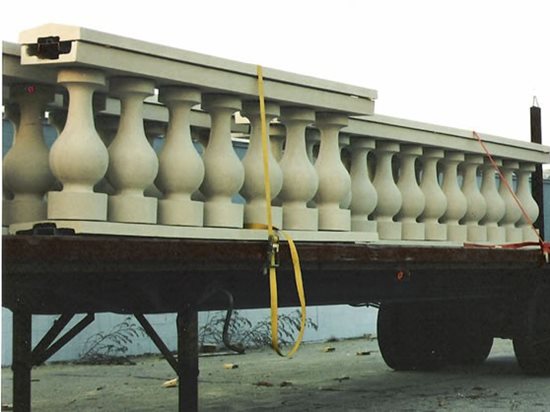
Glass Fiber Reinforced Concrete (GFRC) has revolutionized the construction industry by offering a material that combines both lightweight properties and high strength, making it a highly versatile solution for a wide range of architectural and structural applications. Here’s why GFRC stands out as a premier construction material:
1. Lightweight Nature
One of the most defining benefits of GFRC is its lightweight composition. Unlike traditional concrete, which requires heavy steel reinforcement and thick sections, GFRC uses glass fibers for reinforcement. This allows for much thinner and lighter panels without compromising strength.
- Easy Handling and Installation: GFRC’s reduced weight makes it easier to transport and install, minimizing the need for cranes or heavy equipment, which can significantly reduce labor and installation costs.
- Less Structural Load: In high-rise buildings or projects with structural load limitations, GFRC’s lightweight properties reduce the overall dead load, making it a more efficient option. This can result in cost savings for foundations and structural supports.
2. High Strength
Despite being lightweight, GFRC offers superior strength compared to traditional concrete. The glass fibers distributed throughout the material improve its tensile strength, enabling GFRC to withstand high stress and strain without cracking or breaking.
- Flexural Strength: GFRC has exceptional flexural strength, meaning it can flex under pressure without fracturing, making it an ideal material for architectural panels, facades, and other structural elements exposed to bending forces.
- Durability in Harsh Environments: GFRC is highly durable and resistant to cracking, impact, and weather conditions, such as freeze-thaw cycles or saltwater exposure. This makes it particularly suitable for outdoor use and environments where traditional concrete might degrade over time.
3. Versatile Design Options
Because GFRC can be cast into thin, strong sections, it offers architects and designers unprecedented freedom in creating intricate, detailed, and large-scale forms. Whether you are designing decorative facades, modern sculptures, or complex architectural elements, GFRC provides:
- Moldability: The material can be molded into virtually any shape, texture, or pattern, offering endless creative possibilities.
- Thin Panels: With GFRC, thin panels can be manufactured that still provide high strength and durability, unlike traditional concrete, which requires thicker and heavier sections.
4. Reduced Maintenance
GFRC’s inherent durability leads to lower maintenance costs over time. Its high resistance to cracking and weathering minimizes the need for frequent repairs, making it a cost-effective solution for long-term projects. Its non-corrosive nature, due to the absence of steel reinforcement, also prevents rust and other forms of deterioration.
5. Sustainability
GFRC is considered a more sustainable option compared to traditional concrete. Its lightweight nature reduces transportation emissions, and the ability to produce thinner panels means fewer raw materials are required. Additionally, GFRC can incorporate recycled materials, contributing to environmentally conscious building practices.
Conclusion
GFRC offers the perfect combination of lightweight and high strength, making it an ideal material for projects that require both durability and flexibility. Its ease of handling, versatile design potential, and long-lasting durability make it a preferred choice for architects, designers, and builders. Whether you are working on facades, decorative elements, or structural components, GFRC provides unmatched benefits in both strength and efficiency.