


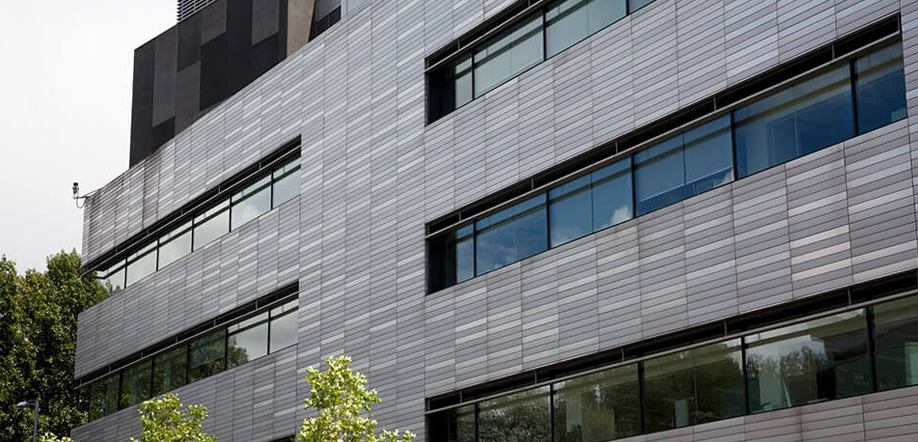
When it comes to construction materials, Glass Fiber Reinforced Concrete (GFRC) and precast concrete are two popular options, each with its unique strengths and applications. Both materials have proven their value in the construction industry, but they differ in terms of performance, aesthetics, cost, and versatility. Let’s break down the key differences to help you decide which is better for your project.
1. Weight and Strength
- GFRC: One of the biggest advantages of GFRC is its lightweight nature. Reinforced with glass fibers instead of heavy steel, GFRC panels are much lighter than precast concrete, which reduces transportation costs and simplifies installation. Despite its lighter weight, GFRC retains high tensile strength due to the distributed glass fibers throughout the material. This allows for thinner and more intricate panels without sacrificing durability.
- Precast Concrete: Precast concrete is significantly heavier than GFRC because it relies on steel reinforcements and thicker sections. While it’s still a strong material, the increased weight requires more robust transportation and installation methods, often involving cranes and heavy equipment. This added complexity can result in higher labor and installation costs.
2. Design Flexibility
- GFRC: When it comes to design versatility, GFRC outshines precast concrete. The ability to mold GFRC into almost any shape or texture provides architects and designers with unparalleled creative freedom. Whether you need complex curves, intricate details, or sharp edges, GFRC can be tailored to meet your specific design needs. Its thinness also allows for more elegant, lightweight designs that aren’t possible with heavier materials.
- Precast Concrete: While precast concrete is versatile and can be formed into different shapes, it is generally more limited in terms of intricate design due to its heavier and thicker nature. Complex forms and fine details are more challenging to achieve with precast compared to GFRC.
3. Durability and Performance
- GFRC: GFRC is highly resistant to cracking, weathering, and environmental stresses, making it an ideal choice for outdoor applications or structures exposed to harsh conditions. Its ability to resist moisture, fire, and even impact damage makes it a durable solution for both structural and decorative uses. Additionally, GFRC does not corrode like steel-reinforced concrete, which can deteriorate over time when exposed to moisture.
- Precast Concrete: Precast concrete is durable and performs well in a variety of applications, but it can be prone to cracking over time, especially if exposed to freeze-thaw cycles or moisture infiltration. The steel reinforcements in precast concrete can also corrode if not adequately protected, leading to potential maintenance issues in the long term.
4. Cost and Installation
- GFRC: While the initial production cost of GFRC may be slightly higher than precast concrete, its lightweight nature often reduces installation and transportation costs. GFRC panels are easier to handle, don’t require heavy machinery for installation, and speed up the overall construction process, making it cost-effective for projects with complex designs or fast-track timelines.
- Precast Concrete: Precast concrete is generally less expensive to produce, but its heavier weight increases installation costs due to the need for cranes, larger crews, and additional site preparation. The added time and labor can make precast concrete more expensive overall, especially for large or intricate projects.
5. Aesthetic Appeal
- GFRC: GFRC is often favored for its ability to replicate a wide variety of finishes, including stone, wood, and metal, while maintaining the look and feel of a high-end product. Its flexibility in achieving intricate textures and details makes it a favorite among architects looking for custom designs. GFRC is widely used in facades, columns, and decorative elements where appearance is a key concern.
- Precast Concrete: While precast concrete can be finished in a variety of ways, achieving the same level of detail and texture as GFRC is more difficult. Precast concrete is often used for more utilitarian purposes or in projects where intricate design isn’t a top priority.
6. Sustainability
- GFRC: GFRC has a lower environmental impact because it uses less concrete and cement than traditional precast concrete. The ability to create thinner panels reduces the amount of raw materials needed, and its lightweight nature lowers fuel consumption during transportation. Additionally, GFRC can incorporate recycled materials, making it a more eco-friendly choice.
- Precast Concrete: Precast concrete is a sustainable option in its own right, particularly because it is factory-made, which reduces waste on construction sites. However, due to its higher material consumption, especially steel reinforcements, precast concrete has a larger environmental footprint compared to GFRC.
7. Applications
- GFRC: GFRC is ideal for projects that require detailed design elements, lightweight panels, and flexibility in form. It’s commonly used in architectural facades, decorative columns, countertops, and sculptures. Its thin profile and durability make it a top choice for projects that demand both beauty and function.
- Precast Concrete: Precast concrete is widely used in infrastructure projects, such as bridges, parking garages, and large-scale commercial buildings, where strength and durability are more important than intricate design. It’s also suitable for structural components like walls, beams, and slabs, but is typically less suited for fine architectural details.
Conclusion: Which Is Better?
The choice between GFRC and precast concrete depends largely on the specific needs of your project. GFRC excels in applications where lightweight materials, design flexibility, and intricate details are important. It is often the better option for architectural elements, decorative finishes, and projects requiring quick installation with reduced environmental impact.
On the other hand, precast concrete is more suitable for large-scale structural projects where strength, cost efficiency, and durability are the primary considerations. However, if your project demands fine design elements with lighter loads, GFRC offers clear advantages.
Ultimately, the decision should be based on the specific goals, design requirements, and budget of your project.