


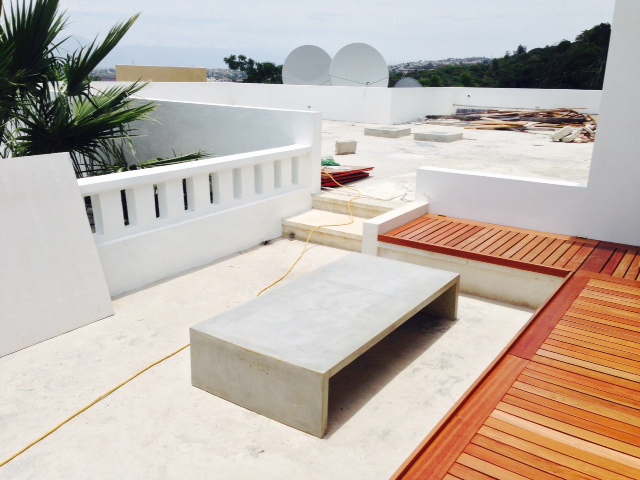
When planning any construction or architectural project, choosing the right materials can make all the difference. One material that has been gaining attention in recent years is Glass Fiber Reinforced Concrete (GFRC). GFRC is a high-performance composite material made from concrete reinforced with alkali-resistant glass fibers. This innovative material offers several key advantages over traditional concrete, making it a superior choice for a wide range of projects. Here are the top reasons why you should consider using GFRC for your next concrete endeavor:
1. Lightweight Yet Strong
One of the biggest benefits of GFRC is its lightweight nature. Unlike traditional concrete, which can be cumbersome and heavy, GFRC’s composition allows for thinner panels without sacrificing strength. This makes it easier to handle, transport, and install, especially for large or detailed architectural elements. Despite its reduced weight, GFRC is incredibly strong, thanks to the glass fibers that act as reinforcement throughout the concrete matrix.
2. Design Flexibility
GFRC provides incredible design freedom that traditional concrete struggles to match. It can be cast into virtually any shape, allowing for intricate details, sharp edges, and complex forms. This makes it ideal for both modern and classic architectural designs, offering aesthetic versatility while maintaining structural integrity. Whether you’re working on facades, sculptures, or custom features, GFRC delivers unmatched creativity in design.
3. Durability and Longevity
GFRC is extremely durable and resistant to cracking, weathering, and environmental stressors. Whether your project is exposed to freeze-thaw cycles, heavy rainfall, or intense UV rays, GFRC will hold up over time. Its resistance to impact and moisture also makes it a great choice for outdoor applications where traditional concrete might wear out or degrade more quickly.
4. Reduced Maintenance
Because of its durability and resistance to the elements, GFRC requires far less maintenance than traditional concrete. Its inherent strength and resistance to cracking mean fewer repairs over time, reducing long-term maintenance costs. This makes it an attractive option for projects where longevity and low maintenance are important factors.
5. Energy Efficient
GFRC offers excellent thermal properties, helping to improve a building’s energy efficiency. Its thermal mass allows it to absorb heat during the day and release it at night, regulating indoor temperatures and reducing heating and cooling costs. In addition, GFRC’s lightweight nature means that less energy is required during transportation, adding to its overall eco-friendly appeal.
6. Environmentally Friendly
Sustainability is a growing concern in construction, and GFRC offers several environmental benefits. Since it uses less cement than traditional concrete and can be made with recycled materials, its production has a smaller environmental footprint. Moreover, the ability to create thinner panels without compromising on strength means fewer raw materials are needed, contributing to more sustainable building practices.
7. Quicker Installation
The lightweight properties of GFRC make installation faster and easier, reducing labor costs and project timelines. Its thin, durable panels can be transported and installed with less effort compared to traditional concrete, which often requires heavy equipment. This makes GFRC a great choice for projects on tight deadlines.
8. Fire and Water Resistant
GFRC offers excellent fire resistance, making it an ideal material for structures that need to meet strict fire safety codes. It also performs well in wet environments, as it resists water absorption and moisture penetration. This makes it ideal for use in climates with high humidity or areas exposed to water, such as fountains, swimming pools, and water features.
9. Versatility Across Applications
From commercial buildings and public infrastructure to artistic sculptures and home improvements, GFRC can be used across a wide variety of projects. Its flexibility, strength, and aesthetic qualities make it suitable for both structural and decorative elements. Whether you’re creating custom countertops, modern facades, or intricate art pieces, GFRC delivers excellent results.
10. Corrosion Resistance
GFRC’s alkali-resistant glass fibers are immune to rust and corrosion, unlike the steel reinforcement used in traditional concrete. This makes GFRC an ideal material for environments exposed to moisture, chemicals, or saltwater, where corrosion can be a significant concern. It ensures a longer lifespan for your projects in harsh environments.
11. Customization Options
GFRC offers a wide range of customization options, from textures and finishes to colors and shapes. It can be crafted to resemble other materials like stone, wood, or metal, giving architects and designers greater freedom to achieve their desired aesthetic without compromising on performance.
Conclusion
GFRC stands out as a superior material for modern concrete projects due to its unique combination of strength, design flexibility, durability, and sustainability. Its ability to perform in a wide range of applications while offering aesthetic and functional benefits makes it a go-to material for architects, builders, and designers. Whether you’re looking to streamline your project timeline, reduce environmental impact, or achieve intricate designs, GFRC is the ideal choice for innovative, long-lasting concrete solutions.