


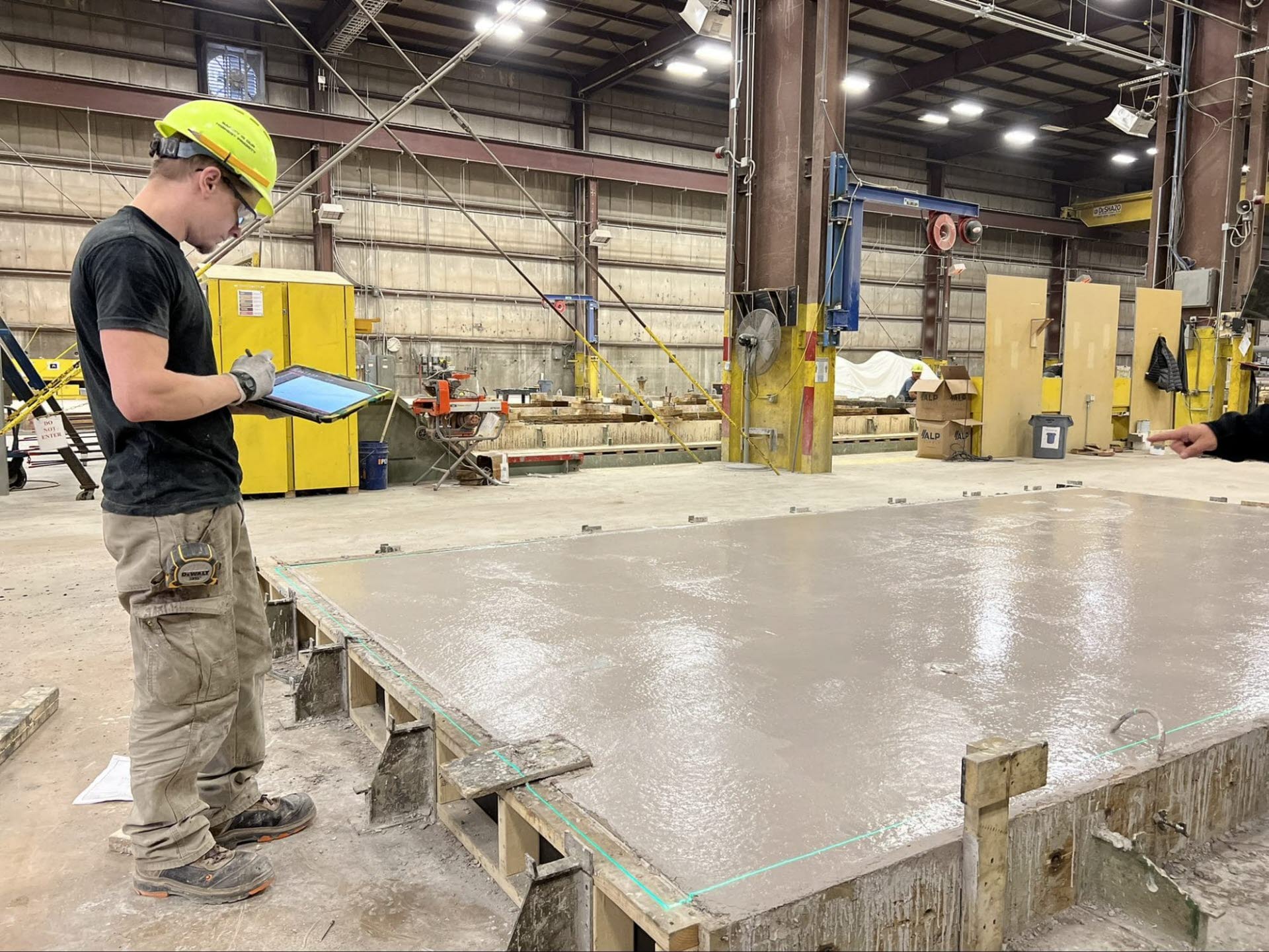
Precast concrete panels are widely used in construction for their durability, versatility, and cost-effectiveness. These panels are made off-site in controlled factory environments and then transported to the construction site for installation. The manufacturing process ensures consistent quality, faster production, and fewer on-site complications. Here’s a step-by-step guide on how precast concrete panels are made:
1. Design and Planning
The process begins with the design of the precast panels. Architects and engineers create detailed drawings that outline the panel dimensions, reinforcement requirements, embedded components, and connection details. These designs must account for structural loads, aesthetics, and the building’s specific requirements.
- Panel Shapes and Sizes: The design stage determines the shape and size of the panels, which can be customized to fit the project’s architectural and structural needs. Panels can be made in various configurations, including solid, insulated, or composite types.
- Mold Preparation: Based on the design, molds or formworks are prepared to shape the concrete. These molds can be reusable or customized for specific panel shapes and sizes.
2. Mold Setup
Once the design is finalized, molds are constructed and prepared for casting. These molds are typically made from steel, wood, or fiberglass, depending on the size and complexity of the panels.
- Cleaning and Lubrication: Before casting, the molds are thoroughly cleaned to ensure no debris or residue will affect the concrete surface. A release agent is applied to the mold surface to make it easier to remove the panel after curing.
- Inserts and Reinforcement Placement: Any necessary embedded components such as electrical conduits, window frames, or lifting hooks are placed in the mold. Steel reinforcement or rebar is then positioned within the mold to provide strength to the final panel. Sometimes, prestressing strands are used to enhance tensile strength.
3. Concrete Mixing
The next step involves preparing the concrete mix. The concrete used for precast panels is made from high-quality raw materials to ensure consistency and strength.
- Quality Control: The concrete is mixed in controlled conditions, with precise ratios of cement, water, sand, and aggregates. The mix may also include additives to improve workability, curing time, and performance under different conditions.
- Consistency: The mixture must have the correct consistency and slump to fill the molds effectively and provide a smooth surface finish.
4. Concrete Casting
Once the mold is prepared and the reinforcement is in place, the casting process begins. The concrete is poured into the mold, ensuring it is evenly distributed around the reinforcement and embedded components.
- Vibration: To remove any trapped air bubbles and ensure a dense, uniform panel, the mold is often vibrated. This helps to compact the concrete and eliminate any potential weak spots in the panel.
- Leveling and Finishing: After pouring, the surface of the concrete is leveled and smoothed using tools like screeds and trowels. For panels requiring specific textures or finishes, additional steps like stamping or surface treatments may be applied at this stage.
5. Curing
After the concrete is cast, it undergoes a curing process to gain strength and durability. Curing typically involves keeping the concrete moist and at controlled temperatures to allow the cement to hydrate properly.
- Controlled Environment: The curing process for precast panels takes place in a factory-controlled environment, which ensures that the concrete cures uniformly and without exposure to harsh weather conditions.
- Accelerated Curing: Some precast manufacturers use steam curing or other accelerated curing methods to speed up the process and allow for faster production cycles without compromising the strength of the panels.
6. Demolding
Once the concrete has cured sufficiently to reach the desired strength, the panel is carefully removed from the mold. This process, called demolding, must be done carefully to avoid damaging the panel’s edges or surface.
- Inspection: After demolding, the panels are inspected for any defects, such as cracks or surface imperfections. Any required repairs or touch-ups are made at this stage to ensure the panel meets the required standards.
7. Finishing and Surface Treatment
Depending on the project requirements, additional finishing processes may be applied to the panel after demolding. These may include:
- Surface Treatments: Staining, painting, or applying coatings to achieve specific aesthetic finishes or protective layers.
- Texturing: Panels can be sandblasted, polished, or brushed to create different surface textures.
8. Quality Control and Testing
Throughout the manufacturing process, quality control measures are implemented to ensure the panels meet industry standards and the specific project requirements.
- Strength Testing: Samples of the concrete mix are often tested for compressive strength, flexural strength, and other key performance metrics.
- Dimensional Accuracy: The panels are measured to ensure they meet the design specifications for size, thickness, and shape.
9. Storage and Transportation
Once the precast panels are finished and inspected, they are stored in a staging area until they are ready to be transported to the construction site. Because precast concrete panels are typically large and heavy, proper storage and handling are critical to avoid damage.
- Transportation Logistics: Panels are loaded onto trucks using specialized lifting equipment and secured for transportation. Their lightweight and modular nature often reduce shipping costs compared to traditional cast-in-place concrete components.
10. Installation
Finally, the precast concrete panels are delivered to the construction site, where they are installed using cranes and other heavy equipment. The panels are typically lifted into place and connected to the building’s structural framework.
- Connection Systems: Precast panels often come with embedded connection points that make them easy to secure to other structural components. These connections are designed to accommodate movement due to temperature changes, loads, and other forces.
- Speed of Construction: The prefabricated nature of precast panels allows for quick and efficient installation, often reducing the overall construction time compared to traditional cast-in-place methods.
Conclusion
The process of making precast concrete panels involves careful design, controlled manufacturing, and rigorous quality control to produce high-performance, durable panels. By creating these panels in a factory environment, precast concrete offers several advantages, including consistency, speed, and cost-effectiveness, making it a popular choice for many construction projects. The right method and paying attention to key details such as expansion joints and drainage, you can ensure a functional and long-lasting parking structure.